
Last Updated: March 11, 2026 | This guide has been fully revised to reflect the latest 2026 National Electrical Code (NEC) updates regarding outdoor emergency disconnects and high-capacity service for EV charging.
Electric Meter Box Replacement: 2026 Homeowner’s Guide & NEC Safety Standards
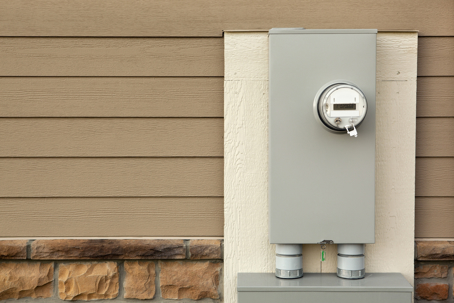
Your electric meter box (or meter socket) is the gateway between the utility grid and your home. While these enclosures are built for durability, they aren't invincible. In 2026, with the rise of EV charging and electric heat pumps, many older meter boxes are reaching their physical and "capacity" limits.
5 Warning Signs Your Meter Box is Failing
If you notice any of the following, your home is at risk of a "main-side" electrical failure, which can lead to total power loss or fire:
- Corrosion or Rust: If the bottom of the box is flaking, water is likely entering the enclosure.
- Flickering Lights: Specifically when high-draw appliances (like the AC or dryer) kick on.
- Visible Scorch Marks: Darkening around the meter glass or the edges of the box indicates "arcing" or overheating.
- Physical Damage: Over time, the house can settle, pulling the conduit away from the box and exposing live wires to the elements.
- The "Hum": A buzzing sound coming from the meter box often means a loose connection or a failing socket jaw.
2026 NEC Safety Note: Recent updates to the National Electrical Code have streamlined the rules for residential services. While the 2020/2023 codes introduced the "Emergency Disconnect" requirement under Section 230.85, the 2026 NEC has consolidated these rules into Section 230.70.
What this means for you: If you are replacing your meter box or upgrading your service this year, your electrician is now strictly required to ensure the main service disconnect is located in a readily accessible outdoor location. This ensures that first responders can safely kill the power to your home during an emergency without having to enter a burning or flooded structure.
Who is Responsible for Replacing an Electric Meter Box?
A common point of confusion for homeowners is who actually owns the equipment. Generally, the responsibility is split:
- The Utility Company: Usually owns the glass meter itself and the service drop (the wires coming from the street).
- The Homeowner: Owns the meter box (socket), the conduit (riser), and the wires entering the home.
Bottom Line: If the box is rusted or the lugs inside are burnt, the financial responsibility for the repair almost always falls on the homeowner.
Should You DIY a Meter Box Replacement?
In short: No. Replacing a meter box is one of the few home repairs that is virtually impossible—and illegal—to do yourself.
- The "Live" Factor: The wires coming from the grid to your meter stay "live" even if you flip your main breaker. There is no DIY-accessible switch to kill the power.
- Permitting & Sealing: Your utility company will not "unlock" or "tag" a new meter unless the work was performed by a licensed electrician and passed by a local inspector.
- Insurance Risks: Unlicensed electrical work on the service entrance can void your homeowner's insurance policy in the event of a fire.
The Meter Box Replacement Process: What to Expect
A professional replacement typically takes 4 to 8 hours. Because this involves the utility company, coordination is key.
- Power Disconnect: We coordinate with the utility to pull the meter and/or disconnect the service at the pole.
- Removal: The old, corroded socket is removed from the exterior wall.
- The Upgrade: A new, code-compliant meter socket is mounted. If you are upgrading from 100-amp to 200-amp service, we will also install a larger "riser" (the pipe on the side of your house).
- Grounding: We install or update the grounding electrode system (copper rods) to ensure your system is lightning-protected.
- Inspection & Re-Seal: A city inspector verifies the work, and the utility company installs a new glass meter and a "lead seal" to energize the home.
2026 Meter Box Replacement Costs
| Factor | Estimated Cost |
| Standard Replacement (Like-for-Like) | $1,800 – $2,800 |
| Service Upgrade (to 200 or 400 Amp) | $3,500 – $5,500+ |
| Emergency After-Hours Repair | Add $500 – $1,000 |
Costs vary based on local permit fees, the distance to your electrical panel, and whether your service is overhead or underground.
Schedule Your Inspection with Tru-Line Electric
Don't wait for a total power failure or an electrical fire to address an aging meter box. At Tru-Line Electric, we specialize in navigating the complex web of permits, utility coordination, and code compliance for homeowners in the Tampa Bay area.
Is your meter box showing its age? Request an appointment online or call us at (727) 308-6680 to speak with a certified specialist today.
About the Author: Tru-Line Electric
Tru-Line Electric is a family-owned and operated electrical contractor serving the Tampa Bay, Florida area for over 30 years. Specializing in residential safety and code-compliant service upgrades, our team of background-checked and drug-tested technicians is committed to providing transparent, upfront pricing.
As a fully licensed and insured company (FL License #EC13004003), we pride ourselves on staying at the forefront of the National Electrical Code (NEC) to protect our neighbors from electrical hazards. We back our craftsmanship with an industry-leading 5-year warranty on parts and labor, ensuring your home’s electrical gateway is safe, reliable, and ready for the future of electrification.