
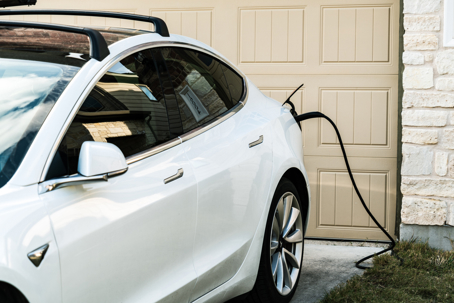
Owning an electric vehicle in Palm Harbor feels like a smart move. You plug in at night, wake up to a full battery, and skip gas stations entirely. But after a few months of daily charging, a practical question starts to surface: how long will your home EV charger actually last in Florida’s heat, humidity, salt air, and relentless summer storms?
In Palm Harbor and across the Tampa Bay area, the climate does not treat electrical equipment gently. High humidity creeps into enclosures. Afternoon heat builds up inside garages. Lightning storms send voltage spikes through neighborhoods. If an EV charger installation ignores those realities, the system may not fail immediately, but it often ages faster than homeowners expect.
At Tru-Line Electric, we bring more than 30 years of combined electrical and construction experience to homes throughout Palm Harbor and the surrounding Tampa Bay communities. We install EV chargers with local conditions in mind, not ideal lab environments. We use higher-quality components instead of builder-grade materials, and we back our work with a five-year warranty on labor, parts, and repairs. When you understand what affects EV charger longevity here, you can make decisions that protect both your charger and your vehicle.
Why Palm Harbor’s Climate Accelerates Wear
Palm Harbor sits in a coastal, high-humidity environment. Moist air carries salt and fine contaminants that cling to metal and plastic surfaces. Over time, that moisture works its way into screws, terminals, and seams. Corrosion begins subtly, often as faint discoloration or residue. Left unchecked, corroded connections create resistance. Resistance generates heat. Heat shortens the life of internal components.
Temperature compounds the issue. Many garages in Palm Harbor trap heat during the afternoon. Exterior-mounted chargers face direct sun exposure for hours. Level 2 chargers already move significant current for extended periods. When ambient temperatures stay high, internal parts such as relays, circuit boards, and insulation never fully cool. That constant thermal stress accelerates aging.
Thunderstorms present another challenge. Even without a direct lightning strike, nearby strikes and grid switching events send voltage spikes through residential wiring. Modern EV chargers contain sensitive electronics that rely on stable voltage. Strong surges can destroy components instantly or weaken them until failure appears weeks later.
When installation planning accounts for salt exposure, airflow, and surge risk from the beginning, chargers stand a much better chance of lasting through years of Florida weather.
Installation Quality Directly Impacts Lifespan
The way your EV charger is installed determines how much stress it endures every time you plug in.
Dedicated Circuits Matter
A Level 2 charger draws substantial current, often for several hours at a time. It needs a dedicated circuit with properly sized wiring and a breaker matched to the load. When homeowners share a circuit with other garage outlets or heavy appliances, wires and breakers may run warmer than intended. That extra heat does not always trip a breaker immediately, but it gradually wears down insulation and internal contacts.
Before installation, a proper load calculation evaluates your home’s panel capacity. Many Palm Harbor homes already power air conditioning systems, pool pumps, and other major equipment. Adding EV charging without confirming available capacity can strain the panel and reduce reliability.
Placement and Weatherproofing
Mounting location plays a major role in longevity. A charger installed under an eave with ventilation and protection from direct rain will age differently than one exposed to constant sun and wind-driven rain.
Professional installation includes:
- Proper weather-rated enclosures and fittings
- Sealed penetrations to prevent humid air intrusion
- Drip loops that prevent water from entering through conduit
- Secure mounting that prevents vibration and strain
In Florida’s climate, small sealing details make a measurable difference over time.
Grounding and Protection
Correct grounding and GFCI protection protect both people and equipment. Improper grounding can cause nuisance tripping and create subtle electrical stress inside the charger. We follow code, but we also evaluate how the circuit behaves under real-world charging loads in Palm Harbor’s conditions.
Because we select robust breakers, connectors, and enclosures rather than entry-level components, our installations provide a stronger foundation for long-term performance. That quality allows us to confidently offer a five-year warranty on labor, parts, and repairs.
Surge Protection: Essential in Tampa Bay
Power surges rank among the most common silent causes of EV charger failure in the Tampa Bay region.
Inside every modern charger are circuit boards and solid-state components that require stable voltage. A strong surge can burn through delicate pathways on those boards. Sometimes the charger stops working immediately. Other times, damage appears months later with error codes or intermittent shutdowns.
Whole-home surge protection, installed at the electrical panel, diverts excess voltage away from your home’s circuits. Additional protection on the EV circuit itself adds another layer of defense. While no device guarantees complete immunity from every lightning event, surge protection significantly reduces the likelihood of early electronic failure.
In an area known for frequent thunderstorms, protecting sensitive electronics simply makes sense.
Daily Habits That Extend Charger Life
How you use your EV charger also influences its lifespan.
Handle the Connector Properly
Avoid leaving the connector on the ground or exposed to sprinkler spray. Moisture and debris inside the connector increase resistance and heat during charging. Always use the holster or dock to keep it elevated and protected.
When unplugging, support the connector instead of pulling by the cable. Repeated strain at the connection point weakens internal wiring over time.
Manage Charging Settings
Many EVs allow you to adjust charging current. If you do not need maximum charging speed every night, reducing current lowers heat inside the charger and at the plug. In a warm Palm Harbor garage, lowering thermal stress can extend component life.
Avoid Mechanical Stress
Do not stretch cables tightly across sharp corners or allow vehicles to roll over them. Keep chemicals, fertilizers, and cleaning agents away from the charger housing and cable insulation.
We take time during installation to explain best practices so your daily routine naturally supports equipment longevity.
Simple Maintenance Checks
EV chargers require minimal maintenance, but periodic visual checks help catch issues early.
Look for:
- Cracks or gaps in the housing
- Rust or corrosion around mounting hardware
- Discoloration or melting near the connector
- Breakers that trip unexpectedly
- Chargers that feel unusually hot
If you notice greenish buildup on metal contacts or recurring shutdowns, schedule a professional inspection before the issue worsens.
Licensed electricians can safely check panel connections, confirm grounding integrity, and ensure GFCI protection operates correctly. In a humid environment like Palm Harbor, addressing small issues early prevents larger failures later.
When Your Electrical Panel Limits Longevity
Sometimes the charger itself performs perfectly, but the home’s electrical system holds it back.
Older panels may lack the capacity to support high-current EV charging comfortably. When a panel operates near its limit, voltage fluctuations and heat increase. That environment stresses both breakers and charger electronics.
In some homes, a panel upgrade or targeted rewiring improves not just charger reliability but overall electrical stability. Planning for potential future upgrades, such as adding a second EV, also ensures your system ages gracefully rather than operating at the edge of capacity.
Because Tru-Line Electric handles panel upgrades and system evaluations, we assess your charger within the context of your entire home’s electrical demand.
Quality Components and Warranty Protection
Palm Harbor’s climate quickly exposes shortcuts. Builder-grade materials often corrode faster and lose structural integrity sooner under heat and humidity.
Higher-quality components provide:
- Stronger contact surfaces
- Better corrosion resistance
- Improved sealing against moisture
- Greater mechanical durability
These details reduce heat buildup and protect internal electronics from environmental stress.
Our five-year warranty on labor, parts, and repairs reflects our confidence in the systems we install. When you invest in a properly designed setup with durable components and surge protection, you reduce the likelihood of early replacement and repeated service calls.
Protecting Your Investment in Palm Harbor
EV charger longevity in Palm Harbor depends on thoughtful installation, surge protection, responsible daily use, and periodic professional oversight. Heat, humidity, and storms will always be part of life here, but careful planning significantly reduces their impact.
At Tru-Line Electric, we install EV chargers with local conditions in mind. Our certified, background-checked technicians arrive on time, explain your options clearly, and use materials designed to withstand Florida’s climate. We provide transparent, up-front pricing and stand behind our work with a five-year warranty.
If you want to make sure your current charger can handle years of charging in Palm Harbor, or if you are planning a new installation, call (727) 308-6680 to schedule an evaluation. You can also reach out through our contact form to discuss your home’s setup and long-term goals. A well-installed, well-protected charger today means fewer surprises and more reliable charging for years to come.