
Common Electrical Mistakes Tampa Bay Homeowners Make During Summer Entertaining
Summer in Tampa Bay means backyard cookouts, pool parties, evening gatherings on the patio, and friends over for long weekends. It’s the best time of year to enjoy your home and your community. It’s also the time of year when our team gets the most calls about preventable electrical problems that started with one small mistake at a summer get-together.
We’re not here to lecture anyone. Most of these mistakes happen because people are trying to make their party work, and electrical safety is the last thing on their mind when guests are arriving and the grill needs to fire up. But a few of these issues have caused real damage to homes around Hillsborough, Pinellas, and Pasco counties, and they’re worth knowing about before your next gathering.
Daisy-Chaining Extension Cords
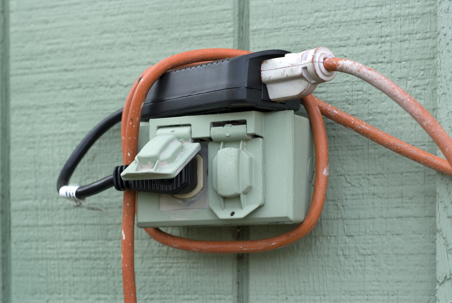
This is the big one. You need power on the patio for string lights, a Bluetooth speaker, a fan, and a phone charger. The outdoor outlet only has two plugs. So you grab a power strip, plug in an extension cord, plug another extension cord into that one, and suddenly you have a tangled web running from inside the house to the far corner of the backyard.
Extension cords are designed for temporary use, not as permanent solutions. Daisy-chaining them creates serious fire risks because each connection point is a potential failure point. The cords overheat, the insulation breaks down, and the load draws more current than the cords can safely handle.
If you find yourself doing this every time you entertain, that’s a sign your outdoor space needs more outlets. A few properly placed exterior outlets installed by a licensed electrician will change how you use your backyard.
Overloading One Outdoor Outlet
Even without extension cords, plugging too many things into a single outdoor outlet is asking for trouble. Outdoor outlets are typically on the same circuit as other parts of your home, and Florida summers already put a heavy load on your electrical system because of the AC.
When you add a high-draw item like a deep fryer, electric griddle, or portable AC unit to an outlet already running lights and speakers, you can trip the breaker at best or cause damage at worst. If your breaker trips during the party, that’s your system telling you it’s working too hard.
Using Indoor-Rated Extension Cords Outside
Not all extension cords are created equal. Indoor cords are not built for outdoor conditions, and using them outside is a quiet hazard that homeowners often overlook.
Tampa Bay weather is no joke. Humidity, surprise afternoon rain, dew, pool splashes, and hose spray all pose risks to indoor-rated cords. The insulation breaks down faster, water can get into connections, and you can end up with shock hazards or short circuits. Outdoor-rated cords are clearly labeled and built to handle moisture and UV exposure.
Ignoring GFCI Outlets That Trip Repeatedly
GFCI outlets, those special outlets with the test and reset buttons that you find near water, are designed to cut power instantly when they detect a problem. They protect you from electrical shock in places like outdoor kitchens, pool areas, and patios.
If your GFCI outlet trips once, that’s its job. If it trips repeatedly, especially during a gathering, that’s a warning sign. It usually means there’s moisture in the outlet, a faulty appliance plugged in, or a problem with the wiring. People often just reset it and move on, but that defeats the purpose. A persistent GFCI trip is worth investigating before someone gets hurt.
Running Cords Through Doorways and Windows
This one looks innocent but causes long-term damage. Running an extension cord from inside the house through a slightly open door or window to power something outside puts pressure on the cord every time the door moves. Over time, the insulation gets cut, fraying happens inside the cord where you can’t see it, and you end up with exposed wires.
If you regularly need power outside, install proper outdoor outlets. It’s a one-time fix that pays off every season.
Lighting Up the Pool Area Without Proper Setup
Pool gatherings are a Tampa Bay summer staple. They’re also where electrical safety matters most. Water and electricity do not mix, and pool areas need outlets, lighting, and equipment specifically rated for wet locations.
DIY pool lighting, extension cords run near the pool deck, or unprotected outlets in splash zones are serious safety concerns. Professional pool and spa electrical work ensures everything is bonded, grounded, and code-compliant.
Skipping Surge Protection Before Storm Season
Summer entertaining season runs right alongside storm season. A power surge during a sudden afternoon thunderstorm can wipe out your outdoor sound system, smart lights, and any expensive equipment plugged in around the house. Whole-home surge protection installed at your panel is a small investment that protects everything you’ve spent money on.
Setting Up Your Space the Right Way
The good news is that none of this requires major construction. Most outdoor electrical issues can be solved with a few strategic upgrades: additional exterior outlets in the right places, properly installed pool and patio lighting, GFCI outlets where they belong, and surge protection on your panel.
Tru-Line Electric has been helping families across Tampa Bay, Hillsborough County, Pinellas County, Clearwater, and Pasco County set up their outdoor spaces for safe, easy entertaining. If you’ve been making any of these mistakes (or you just want a professional to take a look before your next gathering), our team is happy to help.
Have your summer the way you want it. Just make sure your home can handle it.