
Spring in Tampa Bay means one thing is certain: your air conditioner is about to become your home's hardest-working appliance. As temperatures climb and humidity soars, your AC will run for hours every day to keep your home comfortable. But if your electrical panel can't handle the load, you could be headed for problems that go far beyond discomfort.
Your electrical panel is the heart of your home's power system. When your air conditioner demands serious power for months on end, that heart has to be strong enough to handle the load. An outdated or overloaded panel creates safety risks, drives up energy costs, and can leave you without cooling when you need it most.
Why Your AC Puts Serious Strain on Your Panel
Air conditioning systems are among the most power-hungry appliances in your home. A central AC unit typically draws between 15 and 60 amps, depending on its size and efficiency rating. When the compressor kicks on, it creates a surge of electrical demand that your panel must distribute safely throughout your home.
During cooler months, your panel coasts along without much stress. Your home's electrical load stays relatively light. But once temperatures rise and your AC starts running continuously, everything changes. If your panel was already operating near its capacity, or if the panel wasn't designed for modern electrical demands, the constant AC load can push it past its limits.
The problem gets worse if you're running other appliances at the same time. Your refrigerator, oven, washing machine, dryer, and water heater all need power too. Add them to a running air conditioner, and you can quickly exceed what an undersized panel can handle safely.
Warning Signs Your Panel Is Struggling
How do you know if your electrical panel can't keep up? Several warning signs indicate your system is working too hard or operating unsafely.
Frequent breaker trips are the most obvious sign. If breakers trip regularly when your AC is running, especially when you're also using other appliances, your panel is overloaded. Some homeowners get used to resetting breakers and think this happens to everyone. It doesn't. Frequent tripping is a clear signal that your electrical system needs professional attention.
Dimming or flickering lights when your AC kicks on indicate that your system can't distribute power efficiently. The AC is drawing so much current that it affects other circuits in your home. This annoyance signals that your panel and wiring are struggling.
A warm electrical panel is a serious red flag. Your panel should never feel hot or even noticeably warm to the touch. If it does, or if you see discoloration or signs of burning around breakers, you have a dangerous situation that requires immediate attention from a licensed electrician.
Any burning smell near your electrical panel is an emergency. If you smell burning plastic or notice smoke, turn off the power at the main breaker if you can do so safely and call an electrician immediately. Don't wait. Electrical fires are fast and devastating.
Age matters too. If your electrical panel is more than 20 or 25 years old, there's a good chance it wasn't designed to handle the electrical demands of modern homes. Today's AC systems, appliances, and electronics draw far more power than those from decades past.
Finally, if you've upgraded your AC system or added major appliances without upgrading your panel, you may be exceeding its safe capacity. Newer, more efficient AC units are often larger and more powerful than older models. Your old panel might not have been sized for the upgrade.
The Real Risks of an Overloaded Panel
Running an overloaded electrical panel creates genuine dangers. When your panel can't handle the electrical load, several serious problems can develop.
Fire hazards top the list. Overheated wiring and breakers can spark electrical fires. According to the National Fire Protection Association, electrical failures and malfunctions are one of the leading causes of home fires. An overloaded panel dramatically increases that risk.
Your appliances suffer too. When your AC doesn't receive consistent, adequate power, it has to work harder to cool your home. This increases wear and tear on the system and shortens its lifespan. The same goes for your other appliances. Inconsistent power delivery damages electronics and major appliances, leading to expensive repairs or early replacement.
Energy efficiency takes a hit as well. An AC system that's constantly struggling with inadequate or inconsistent power uses more electricity to do its job. Your energy bills go up even though your comfort level goes down.
In extreme cases, an overloaded panel can fail. This leaves you without power until repairs are made, often during the hottest part of summer when electricians are busiest and wait times are longest.
Does Your Home Need a Panel Upgrade?
Most modern homes need at least a 200 amp electrical panel to safely handle air conditioning, major appliances, electronics, and other electrical demands. If your home still has a 100 amp panel or an old fuse box, an upgrade is almost certainly overdue.
Consider your panel's capacity. A 200 amp panel provides enough capacity for central AC, multiple appliances, and room for future electrical needs like EV chargers or home additions.
The age and condition of your panel matter. Older panels, especially those with Federal Pacific or Zinsco breakers, have known safety issues and should be replaced. Even if your panel seems to work fine, these brands have high failure rates and pose serious fire risks.
Think about your home's electrical demands. Have you added square footage? Upgraded to a larger AC system? Installed a pool or hot tub? Added an EV charger? All of these increase your electrical load. Your original panel may no longer be adequate.
Modern panels also include safety features that older models lack. AFCI and GFCI breakers provide enhanced protection against arc faults and ground faults. These features can prevent fires and save lives.
What a Panel Upgrade Involves
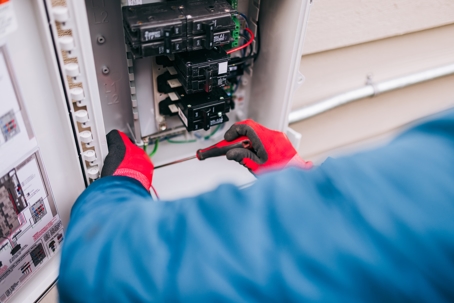
If your panel needs upgrading, here's what to expect. A licensed electrician will start by inspecting your current panel and assessing your home's total electrical load. They'll calculate what size panel you need based on your current and anticipated future demands.
Panel upgrades require permits. This ensures the work meets local electrical codes and safety standards. Your electrician will handle the permitting process.
The installation itself typically takes a full day. The electrician will safely disconnect power, remove your old panel, install the new one, and reconnect all your circuits. You'll be without power during the installation, so plan accordingly.
After installation, a local building inspector will verify that everything meets code requirements. Once the inspection passes, your new panel is approved and ready for full use.
Don't Wait Until Summer Heat Arrives
Spring is the ideal time to address electrical panel concerns. Waiting until your AC is running full time and problems develop means dealing with emergency repairs during the busiest season for electricians. You'll face longer wait times, potential safety hazards, and the misery of a hot house while you wait for service.
Schedule an electrical inspection now. A professional can assess your panel's condition and capacity and recommend upgrades if needed. Test your AC early to identify any electrical issues while you still have time to fix them. If you're upgrading your panel, consider adding whole-home surge protection or dedicated circuits for major appliances at the same time.
At Tru-Line Electric, we help Tampa Bay homeowners prepare for AC season with thorough electrical inspections and professional panel upgrades. Don't wait for your system to fail. Contact us today to ensure your home is ready for summer.